1
Active Lumbar Support
Precise load distribution to eliminate fatigue in the lower back during extended workdays.
Result: Up to 40% fewer reported discomforts.STRUCTURAL ERGONOMICS
Study of body load distribution and support angles in industrial workstation design. We optimize comfort and productivity.
Transform your workspace with ergonomic solutions based on technical analysis.
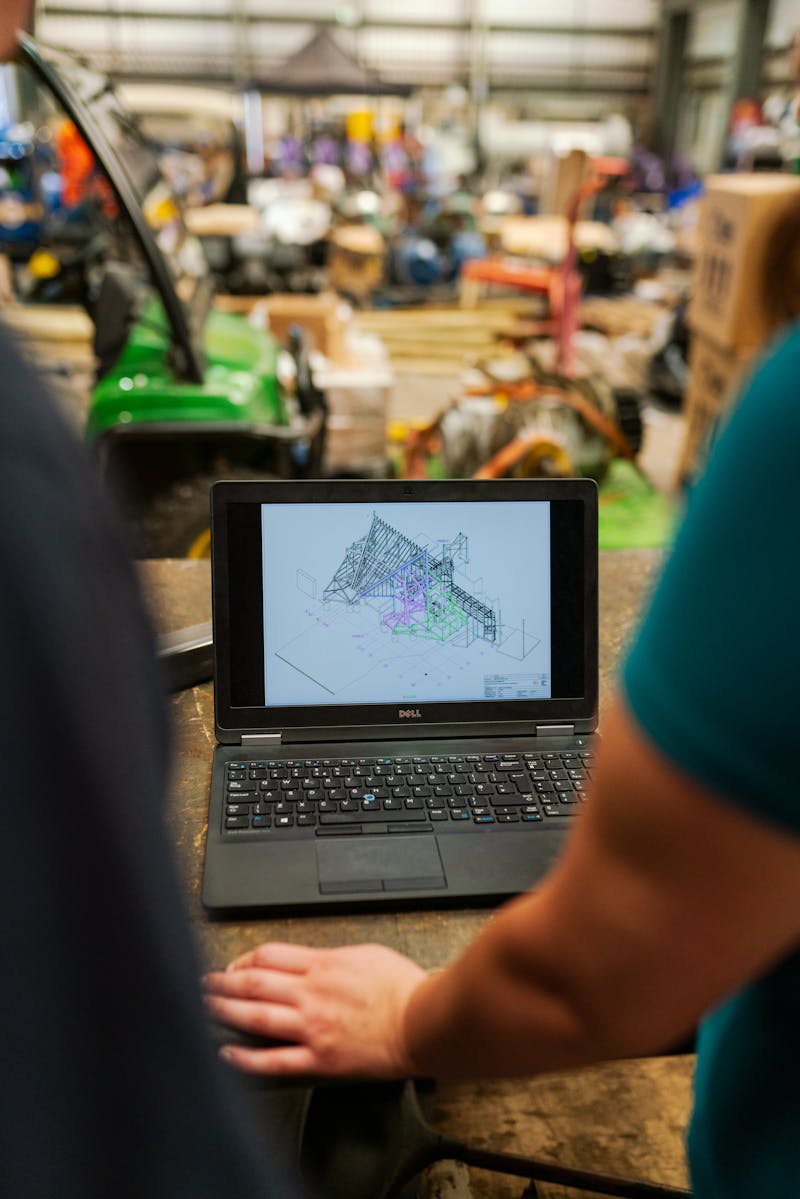
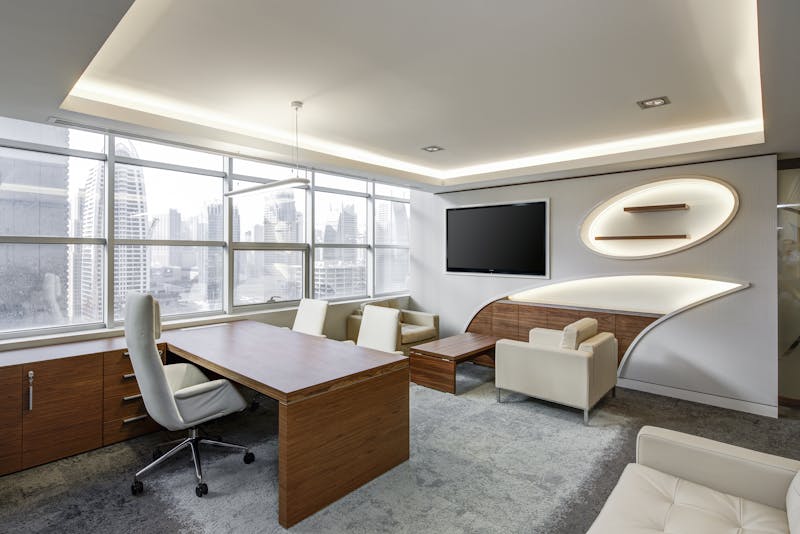

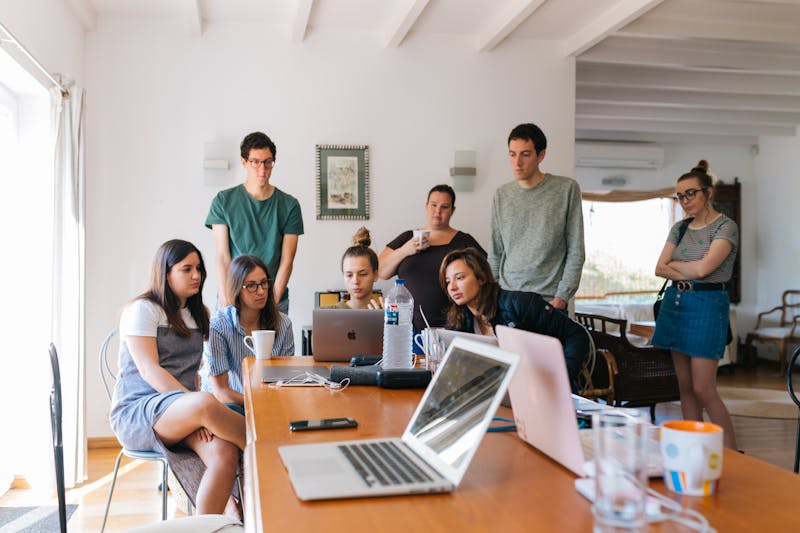


Our technical approach to load distribution and support angles redefines comfort and productivity in industrial environments.
We map body load distribution with human silhouette diagrams, identifying and relieving critical pressure points to prevent long-term injuries.
We calculate and apply specific lumbar and limb support angles for each task, surpassing generic industrial furniture solutions.
We combine high-strength clear wood with slate gray steel, creating durable workstations where aesthetics meet precision engineering.
Our designs are tested and validated on real production lines, ensuring each workstation not only meets but exceeds ergonomic standards.
Production engineers and safety managers trust our solutions for their demonstrable technical foundation and measurable impact on fatigue reduction.
We design workstations that transform productivity and well-being. Every detail is calculated to support the human body.
Precise load distribution to eliminate fatigue in the lower back during extended workdays.
Result: Up to 40% fewer reported discomforts.Configuration of work planes that keep elbows, wrists, and neck in their natural resting position.
Result: More efficient movements and lower risk of repetitive strain injuries.Surface design that redistributes body weight, avoiding excessive pressure points on thighs and buttocks.
Result: Greater comfort and uninterrupted concentration.Frames and joints designed to absorb vibrations and movements, ensuring a firm base in dynamic industrial environments.
Result: Safe and durable equipment, with minimal maintenance.Spatial organization that reduces unnecessary movements, placing tools and controls within natural hand reach.
Result: Measurable increase in task speed and accuracy.